
Six musicians. Six individual journeys. One shared love for music and the stories it tells.
Each member of The Norton Davis Band comes from a different chapter of life, yet their paths led them here, bound by friendship, faith, and the belief that every song can leave a mark and every story can bring us home.
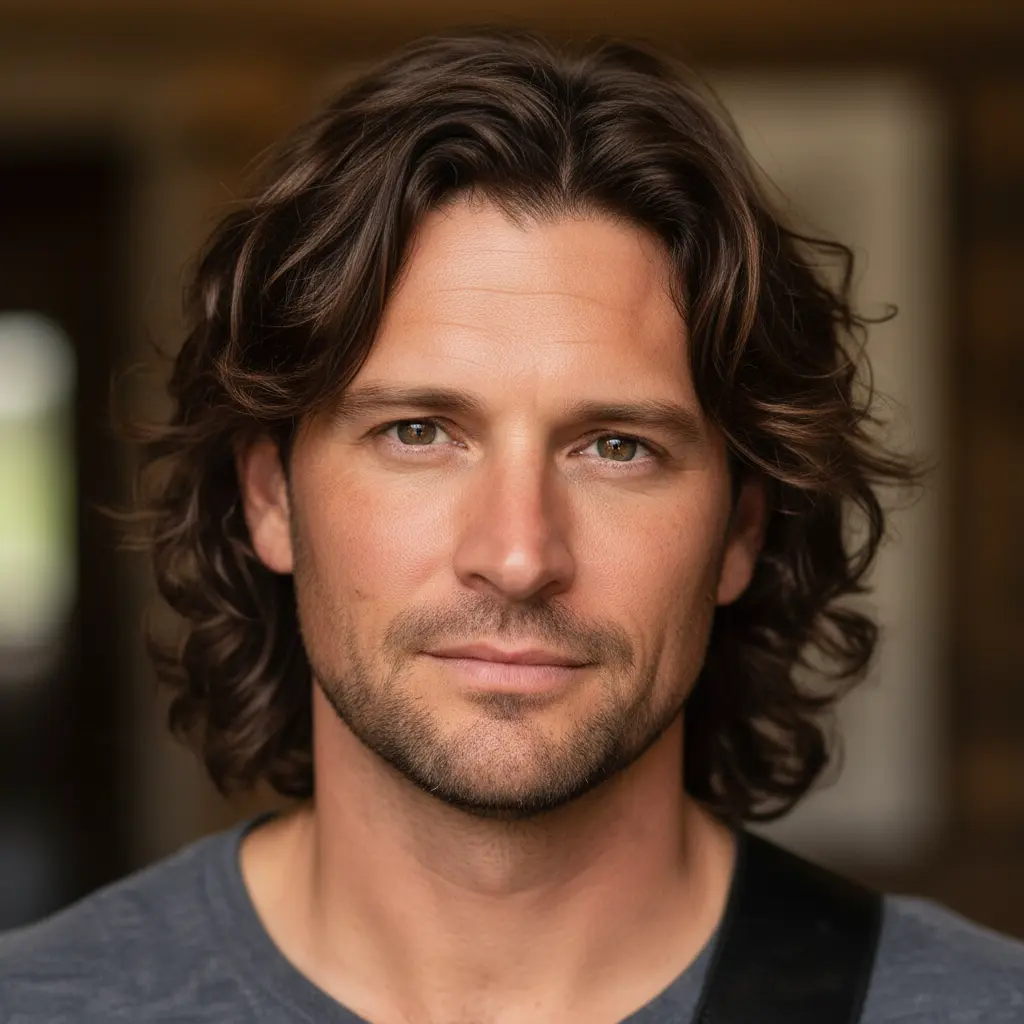
NORTON DAVIS
Guitar • Vocals • Songwriter
Founder of the band and the heart behind many of our songs. A storyteller at his core, Norton turns life’s moments into melodies.
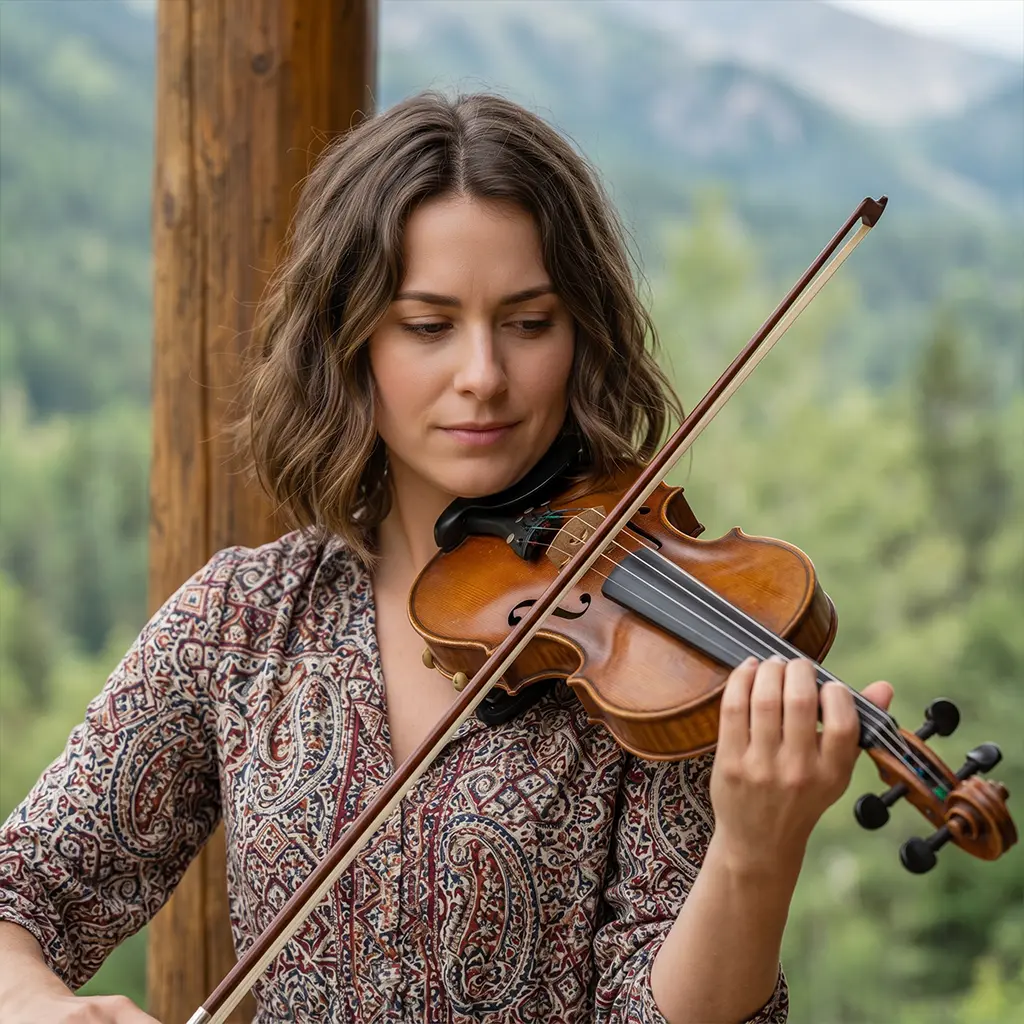
JOSIE DAVIS
Piano • Keys • Vocals
Norton’s lifelong partner in life and music. Josie’s voice and piano bring depth, strength, and grace to every song.

ROBERT MCKAY
Guitars • Dobro • Multi-Instruments
A quiet soul with a musician’s heart. Robert’s versatility and deep feel enrich the sound and spirit of the band.

TRACY HOUSTON
Piano • Keys • Vocals
Classically trained and creatively inspired, Tracy’s keys and voice add beauty, harmony, and emotion to our music.

TUCKER BRANDES
Drums • Percussion • Harmony Vocals
The steady beat that drives us forward. Tucker’s rhythm, heart, and road stories keep the band moving and grounded.
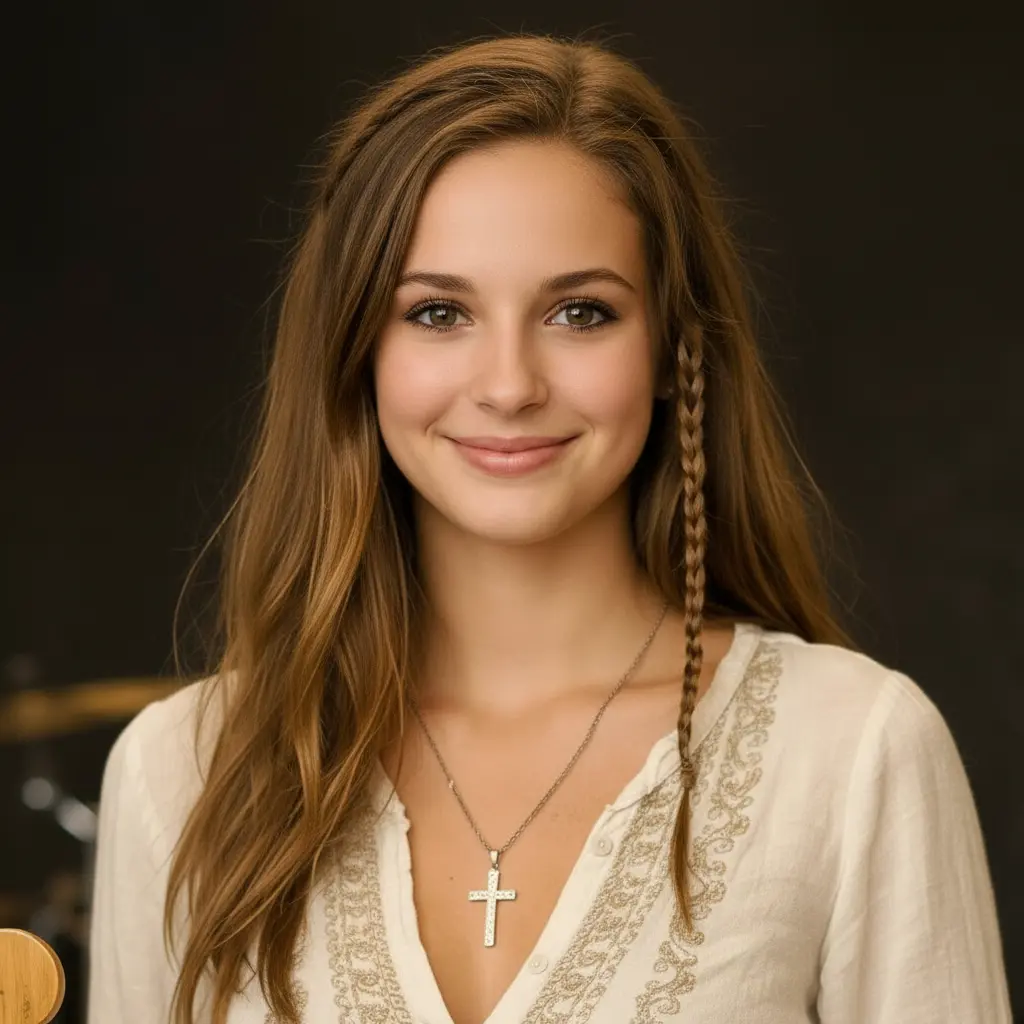
AMY HARRIS
Bass
A self-taught bassist with strength, resilience, and a deep love for music. Amy holds down the low end and brings her own story to the band.
© 2026 The Norton Davis Band. A fictional music and storytelling project by Skip Green.
Amy Harris was born in Salmon, Idaho, a small town with a tight-knit community. When Amy was six, her mother left, leaving her in the care of her father, who had not completed high school and struggled to maintain steady employment.
Over the next nine years, their financial situation fluctuated between periods of stability and hardship. Because of these challenges, Amy was often bullied at school, especially when she had to rely on the local thrift store for clothes and essentials.
The other children were aware of her circumstances and teased her relentlessly, driving Amy to seek comfort in her bedroom—a refuge from the turmoil of her daily life.
Amid the loss of her mother, the teasing at school, and a father ill-prepared for single parenthood, Amy found her only source of unconditional love in her best friend: her Golden Retriever mix, Rikki. Amy had gotten Rikki as a puppy when she was three, and the two were inseparable whenever Amy wasn’t at school.
When Amy was nine, tragedy struck again. Her uncle—her father’s brother—died in a car accident.
The only valuable possessions he left behind were a Fender bass guitar and a small amplifier, which were given to Amy. She began teaching herself to play bass, using her uncle’s old cassette recorder to slow songs down to half speed.
By listening to songs she liked, slowing them down, and meticulously finding the bass notes, Amy gradually taught herself to play. She built up a repertoire of songs recorded on the tape machine and would practice for hours, Rikki faithfully lying at her feet—her very first audience.
After Amy’s mother left, her father began drinking heavily. He later admitted that he spent much of his time sitting in the living room, drinking and hoping she would return.
He worked sporadically, leaving Amy to fend for herself and develop a strong sense of self-reliance from a young age. Although a kind neighbor occasionally helped by driving her to the local food pantry or thrift store, and several churches donated food, Amy was largely on her own.
She took on all the household responsibilities—cleaning, laundry, and cooking for both herself and her father.
As her father’s drinking worsened, Amy’s struggles at school intensified. The teasing from classmates grew, but a few teachers tried to help by giving her used clothes and electronics.
Despite these challenges, Amy excelled academically, consistently earning all A’s. Her father, aside from drinking and working when possible, provided little support.
Eventually, Child Services became involved. The local sheriff, whose son was Amy’s classmate, became aware of her situation through school gossip.
He reported Amy’s circumstances to Child Services, but their involvement did little to improve things and may have even made matters worse. Over six to eight years, there were several interventions, but the sheriff’s personal concern for Amy made a greater difference.
He and Amy developed a friendship, and he was impressed by her ability to manage the household and care for herself and Rikki. Though he mostly watched over her from a distance, his presence offered some measure of support.
Josephine "Josie" Wagoner, later Josie Davis, grew up in Rancho Cordova, California, in a home where family, responsibility, faith, and music would become central parts of her life. Her story with Norton Davis began in 1967, when they were both third-grade students at Peter Shields Elementary School.
Norton had been teasing her in front of his friends, insisting that girls could not do anything as well as boys. Josie warned him to stop.
When he did not, she finally fought back. The two were suspended from school, and Josie was instructed to bring Norton something when they returned.
The following Monday, Josie arrived at the principal's office carrying a decorated shoebox filled with double chocolate chip cookies. Later that day, she joined Norton on a breezeway bench at lunch.
Their conversation changed everything. Josie asked why he had teased her, and Norton admitted that he had simply wanted to know her but did not know how to ask.
Josie looked at him for a moment, smiled, and quietly introduced herself: "I'm Josie Wagoner." Norton introduced himself in return. Their awkward handshake marked the beginning of a friendship that would shape both of their lives.
Josie's home was modest but warm. Her mother kept the household together, her younger brother looked up to her, and her father, Jorge, had become seriously ill and was no longer able to work as he once had.
Money could be tight, but the Wagoner home had a sense of welcome that made a deep impression on Norton. Josie carried responsibilities beyond her years, helping her mother, caring for her younger brother, and doing whatever was needed around the house.
When Norton began mowing lawns to earn money, Josie became his partner. Norton proposed that if she helped with the work, they would use part of their earnings to buy groceries for her family each Saturday.
What began as a practical arrangement quickly became Norton and Josie's Lawn Service. They printed door hangers, built a waiting list, opened joint checking and savings accounts, and before long were caring for dozens of yards.
Josie handled garden beds, weeds, pruning, flowers, and detailed finishing work while Norton focused on edging, mowing, fertilizing, and other heavy tasks. They worked side by side with a quiet understanding of what needed to be done.
Ernie and Martha Tanaka, family friends who lived near the American River, helped teach them the finer points of gardening and landscape care. The business grew beyond basic lawn service into planting, greenhouse work, landscaping, and sprinkler installation.
Josie developed a strong eye for flowers, shrubs, groundcovers, planters, and garden design. She and Norton were still children, but they worked with a seriousness and discipline that made the business successful.
Music was growing just as quickly. Josie had always wanted to play piano, and when neighbors offered a small spinet piano for sale, Norton helped her buy it and had it professionally tuned.
Josie began weekly lessons at Rancho Cordova Music Store and proved to be naturally gifted. She progressed quickly, and the piano soon became part of nearly every evening.
Norton would bring his guitar into her room, and the two would practice songs, experiment with arrangements, and begin to sing together.
Their musical connection developed naturally because they already understood each other so well. Guitar and piano began to fit together in a way that reflected their friendship: each made room for the other.
Norton's Uncle Hector, an accomplished jazz guitarist, began teaching them as a pair, showing them more about musicianship, harmony, rhythm, and how to perform together. These sessions gave Josie a broader musical foundation and helped move her from piano student to ensemble musician.
Throughout elementary school and into junior high, Josie balanced music, straight-A academics, church, family responsibilities, and the growing lawn business. She was independent and strong-willed, but also deeply loyal.
Her friendship with Norton gradually became a lifelong partnership. By the time they entered Mills Jr.
High School, everyone around them understood that Norton and Josie were together. They did not make a show of it; they simply lived as a team, supporting one another through school, work, family, and music.
In March 1972, Josie's father, Jorge, died suddenly. The loss changed the Wagoner household overnight.
Josie and her mother grieved together, while Norton remained beside them and helped manage the practical details of the funeral. Josie and Norton had already agreed that they would help cover the costs when the time came, and they followed through.
In the months that followed, Josie worked with Norton to help her mother move forward. They cleaned and renovated the home, replaced furniture, reorganized the household, and encouraged her mother to pursue college and nursing school, something she had long wanted to do.
Music remained one of the constants through that transition. Josie eventually added electric piano and synthesizer to her instruments, including Roland and Yamaha keyboards she had long hoped to own.
She and Norton continued to practice and write, and as they entered their high school years they began looking for other musicians who could expand what they were creating together.
In 1973, Norton and Josie met drummer Randy Morgan, and Josie also met bassist Kathy Barton, a quiet but outstanding musician from Folsom High School who lived in Rancho Cordova. Norton converted much of the Wagoner garage into a rehearsal studio, and the four began practicing together.
The basic arrangement was simple but effective: Josie's piano and synthesizer, Norton's guitar, Kathy's bass, and Randy's drums. Vocally, Josie became a central part of the band's sound.
She and Kathy sang duets, joined Norton in three-part harmonies, and each could step forward for lead vocals when a song called for it.
Uncle Hector continued to coach the group, and Norton and Josie invested in a full PA system, microphones, stands, and eventually a lighting system. By the end of tenth grade the group had developed a set list of about sixty songs, including roughly twenty originals.
That was the beginning of The Norton Davis Band.
The band soon became a regular choice for school dances, Christian and Catholic youth events, picnics, and performances across Northern California. A booking agent helped them expand their schedule, and Ernie and Martha Tanaka became part of the road team, learning sound and lighting.
Norton and Josie purchased a used Winnebago and painted The Norton Davis Band on its sides, turning it into an early band bus. As music took more of their time, they hired workers to help maintain the lawn business they had built together as children.
For Josie, the path from that first spinet piano to The Norton Davis Band was never separate from the rest of her life. Music grew alongside family, hard work, faith, loss, friendship, and the partnership she shared with Norton.
She became a pianist, keyboardist, vocalist, and founding member whose musical instincts had been shaped by years of playing beside the same guitarist, learning how to listen, support, and create as part of a whole.
Josie Davis's story is one of strength expressed quietly. She was the girl who refused to be bullied, the daughter who helped hold a family together, the young business partner who could work a garden as carefully as she played a piano, and the musician whose keys and voice became part of the foundation of The Norton Davis Band.
Her story and Norton's will always intersect, but Josie's contribution stands on its own: discipline, musicianship, loyalty, and a steady grace that helped turn two childhood friends into a band.
Norton Davis's story begins in Rancho Cordova, California, in a childhood shaped by both hardship and the search for something better. Home was often a difficult place.
His parents drank heavily, expectations were high, and the atmosphere could become harsh and even violent. Norton and his siblings learned early to stay out of the way, finish their chores, and find whatever peace they could outside the house.
For Norton, that peace often came beside the American River with his fishing pole and his dog, Pappy, a gentle poodle mix who became his closest companion.
The river also led Norton to Ernie and Martha Tanaka, a Japanese couple who lived nearby on several acres filled with fruit trees, vegetables, chickens, and a roadside produce stand. Ernie treated Norton with respect and patience, teaching him how to fish for salmon, steelhead, and trout, how to garden, and how to care for lawns and landscapes.
Ernie became an important mentor and one of the first adults in Norton's life to make him feel capable and valued.
In 1967, when Norton was in third grade at Peter Shields Elementary School, he met Josephine "Josie" Wagoner. Their friendship began in an unlikely way.
Norton teased Josie in front of his friends, insisting that girls could not do anything as well as boys. Josie finally had enough and fought back.
Both were suspended, and Josie was told to bring Norton something when they returned to school. She arrived with a decorated shoebox filled with double chocolate chip cookies.
At lunch they sat together on a breezeway bench, shared the cookies, and talked honestly for the first time. When Norton admitted that he had teased her because he wanted to know her but did not know how to ask, Josie introduced herself.
Norton did the same. That awkward handshake became the beginning of a lifelong friendship and musical partnership.
Josie's home was very different from Norton's. Her mother was warm and welcoming, her younger brother adored her, and although her father, Jorge, was ill and the family had very little money, the house felt safe.
Norton began spending more and more time there. He helped repair Josie's bicycle, worked around the house, and soon became part of the family's daily life.
Music entered Norton's life at about the same time. His uncle Hector, a talented jazz guitarist, learned that Norton's father would not allow him to study trumpet because it was too loud.
Hector responded by buying Norton a guitar. He gave him a lesson book, taught him chords, picking and strumming patterns, and showed him how to play the folk songs Norton heard on the radio.
Norton practiced constantly. The guitar became another refuge, joining Pappy, the river, and Josie as the few things that made his world feel steady.
Norton was also determined to earn his own money. He mowed lawns, babysat, did chores, and even sold fresh mistletoe door to door at Christmas.
When he realized how tight money was in Josie's household, he made a deal with her: if she helped him with lawn work, they would use part of what they earned to buy groceries for her family every Saturday. The plan quickly grew into Norton and Josie's Lawn Service.
At only nine years old, they printed door hangers, built a customer list, opened joint checking and savings accounts, and were soon caring for dozens of yards. Ernie and Martha helped with tools, equipment, and practical advice, and the two children developed a reputation for doing careful, dependable work.
The lawn business and music grew side by side. When a neighbor offered a spinet piano for sale, Norton used money from his savings to help Josie get it.
He had the piano tuned, and Josie began taking lessons at Rancho Cordova Music Store. Every evening, Norton brought his guitar to Josie's room and they practiced together.
Their playing became part of the rhythm of their lives, alongside school, yard work, family responsibilities, church, and long conversations.
As they grew older, Norton and Josie expanded their little business into landscaping, gardening, plant propagation, and sprinkler installation. They built a greenhouse, restored equipment, worked on an old Volkswagen, and learned how to organize their time with unusual discipline.
Despite their workload, both continued to earn excellent grades. Norton also spent more and more time living with the Wagoner family, where he found the warmth and sense of belonging that had been missing from his own home.
Uncle Hector continued to guide Norton's musical development. He began working with Norton and Josie together, helping them learn how guitar, piano, and voices could fit as one sound.
Norton eventually bought the Fender Telecaster and Martin D-28 he had long wanted, while Josie expanded into electric piano and synthesizer. By then, music was no longer simply a refuge.
It was becoming the direction of their lives.
One of the defining events of their adolescence came in March 1972, when Josie's father, Jorge, died suddenly. Norton stayed beside Josie and her mother, helped make the funeral arrangements, contacted the church and mortuary, and shared the financial burden with Josie.
In the months afterward, he and Josie helped her mother rebuild a sense of normal life. They renovated rooms, replaced furniture, encouraged her to pursue the college education she had always wanted, and continued to keep the household and their lawn business moving forward.
The experience deepened Norton's instinct to take responsibility for the people he loved.
By the early 1970s, Norton and Josie's musical partnership was ready to become a band. They met drummer Randy Morgan and bassist Kathy Barton, and Norton converted much of the Wagoner garage into a rehearsal studio.
Uncle Hector coached the group on musicianship, ensemble playing, and singing. Norton began writing songs, while the group developed both acoustic and electric arrangements built around guitar, piano, bass, drums, and strong three-part harmonies.
By the end of tenth grade, the group had a polished set list of roughly sixty songs, including about twenty originals. This was the beginning of The Norton Davis Band.
The band became a regular choice for school dances, Christian and Catholic youth events, picnics, and performances throughout Northern California. Through Hector they found a booking agent, purchased professional sound and lighting equipment, and eventually acquired a used Winnebago that became their band bus.
Norton and Josie hired help for the lawn business so they could devote more time to music.
As the band's profile grew, Norton remained cautious about giving up creative control. When a record executive showed interest, Norton was not ready to be owned by a contract, so he chose to finance an album of his own original songs instead.
That independence, together with his songwriting and musicianship, became part of the character of the band from its earliest years.
Norton Davis became the founder, guitarist, vocalist, and principal songwriter at the center of The Norton Davis Band. His story is inseparable from Josie's, but it also carries its own thread: a boy who found refuge in a guitar, learned self-reliance through work, discovered family in unexpected places, and turned the experiences of his life into music and stories.
From the American River to a garage rehearsal room, and from childhood hardship to a band of his own, music became the way Norton made sense of the world and shared it with others.
Robert McKay’s story begins in Newfoundland, where he was born into a small, tight-knit family with a younger sister. Growing up, he was surrounded by the enduring traditions of Newfoundland’s middle-class fishing community—his father was a commercial fisherman, part of a lineage that spanned generations.
Robert discovered his love for music early, picking up the guitar at just nine years old.
After graduating high school, he and his bass player, buoyed by the local following they had built with their high school trio, set out for Quebec, Canada, eager to chase new musical opportunities. They joined a newly formed, larger band and soon began to gain regional prominence.
However, as the band’s popularity grew, internal conflict also surfaced, prompting Robert to move on. He joined a touring band that played Top 40 hits and classic rock covers, remaining with them for nearly five years.
During this time, Robert’s passion for music expanded—he began playing guitar in a Christian rock band as a side project. It was through this musical journey that he first crossed paths with Josie and Norton Davis.
At this stage in their careers, Norton and Josie Davis were gaining nationwide recognition in both the alternative/rock scene with their original music and the contemporary Christian market. They frequently performed in major churches across the United States.
It was at one of these shows—likely in Dallas, Texas—where they first met Robert, who was playing in the opening band. Norton was immediately impressed by Robert’s talent and kind personality, later remarking that Robert was not only a skilled guitarist but also a genuinely good person.
Their paths crossed several more times over the years. Eventually, when Norton and Josie decided to add a guitarist to their band, Robert was their top choice.
Norton reached out with an offer, which Robert accepted, prompting his move to Northern California. He now resides in Chester, California, on Lake Almanor—an area in the mountains of Plumas County that serves as home base for the Norton Davis Band, where all members live.
Robert is the group’s multi-instrumentalist, playing acoustic and electric guitars, dobro, autoharp, and dulcimer as needed. He also provides harmony and baritone vocals on select songs.
Robert remains single and, according to Josie, is a quiet, private individual who is deeply dedicated to his music.
Tracy Houston grew up in Berkeley, California, the only child of working-class parents. Her father worked for the school district, and her mother was a high school history teacher.
Tracy enjoyed a peaceful childhood surrounded by music. She began playing piano at around five years old, inspired by her mother, who was also a pianist.
Her father, though not a musician himself, was a passionate music lover. Music was ever-present in their Berkeley home—a city known for its vibrant music scene—and public radio filled their days with world music across genres.
Tracy’s fascination with the piano was so strong that her mother often had to remind her to focus on her schoolwork.
Tragedy struck when Tracy’s father passed away when she was just 12. She and her mother remained in Berkeley, forging a close bond as they navigated life together.
After finishing high school, Tracy enrolled at the University of California, Berkeley, but left after her second year to attend the San Francisco Conservatory of Music, a small institution with about 400 students at the time. There, she completed her studies in classical piano and developed her talent across various styles, including keyboard and synthesizer.
Tracy began performing with bands in high school, taking advantage of Berkeley’s endless opportunities for young musicians. She played a wide variety of genres, especially world music, always eager to expand her musical horizons.
Raised in the Baptist Christian faith, Tracy and her family were active in their church, where she started playing piano and singing at age 15—a role she continued throughout her conservatory years.
After high school, Tracy met Tucker Brandes, a musician in an Oakland-based band. She frequently joined them as a guest pianist and keyboard player, even recording with the group. Although Tracy and Tucker became close friends, their relationship remained strictly platonic.
During her high school years, Tracy also met Josie and Norton at a Christian music camp—she attended as a student while they were on the teaching staff. Over several summers, Tracy and Josie formed a lasting friendship.
When Tracy graduated from the conservatory, Norton and Josie invited her to join their band. Having recently lost her mother and feeling uncertain about her future, Tracy accepted the offer, finding both direction and community.
She sold her family home and relocated to Chester, California, purchasing a beautiful house on the shores of Lake Almanor, where she now lives. Her bandmate Robert moved in as well, and they share the home as friends and fellow musicians.
In the Norton Davis Band, Tracy plays piano and keyboard, and sings lead, tenor, and soprano harmonies. She has now been a dedicated member of the band for over nine years.
Tucker Brandes was born in Oakland, California, to a single mother who worked as an office clerk for the City of Oakland. As an only child, Tucker developed a close relationship with his mom.
He graduated from Oakland High School, but college never interested him. Around age 14, Tucker discovered his passion for drumming and dedicated almost all his free time to practicing.
When he wasn’t at school, he could be found behind his drum kit, headphones on, playing along to his favorite music. Tucker showed a remarkable natural talent for drumming.
After taking lessons for about a year, he met a seasoned older drummer who became his mentor. At just 16, Tucker was invited to join a local, well-established dance band.
After discussing the opportunity with his mom and convincing her, she agreed to let him join. He played with the band for about five years.
Tucker also performed in a Christian youth group band at local functions and dances. At one of these events, he met Tracey Houston, and they quickly became close friends.
Tracey encouraged Tucker to attend a music camp with her, where he met Norton and Josie Davis. Tucker’s impressive drumming skills caught Norton’s attention, and soon after, Norton invited him to join the camp’s music staff.
Tucker taught on staff for about three summers at various camps.
When the drummer for the Norton Davis Band left, Norton asked Tucker to join the group. By that time, Tucker had married his high school sweetheart, Bonnie.
After discussing the prospect together, they decided to give it a try, despite the long distance—Tucker and Bonnie’s families were rooted in Oakland, while the band was based in Chester, California, a five-hour drive away. Nevertheless, the arrangement succeeded, and Tucker has been a member of the band for the past seven years.
When he isn’t at home in Oakland or touring with the Norton Davis Band, Tucker often spends time at Norton and Josie’s house or at Tracey’s home in Chester. In the band, Tucker plays drums and percussion, sings harmony, and drives the tour bus.